What Makes a Luxury Scented Candle? 6 Details Buyers Notice
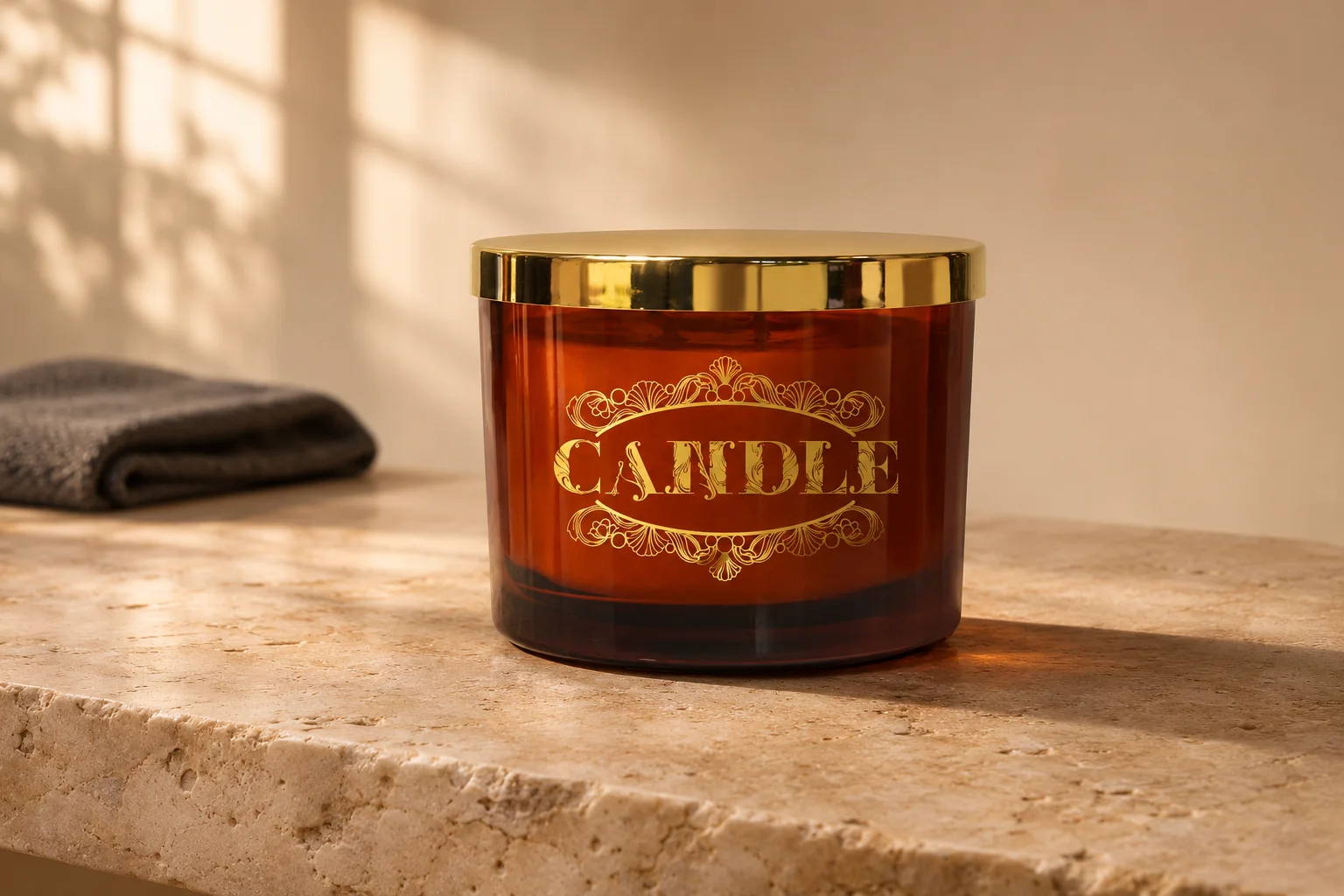
A luxury scented candle needs to justify its place on the shelf after the first impression. An elegant vessel can attract attention, but buyers also notice the fragrance, finish and experience of opening the box.
For a retail brand, premium positioning depends on how these details work together. Adding a heavier lid or a gold accent will not resolve an uneven label or an unsuitable fragrance.
Use the following six checks when reviewing samples. They help turn a subjective preference into a specification your supplier can reproduce.
1. A clear, well-judged fragrance
Start with the intended customer and occasion. Is the candle a quiet everyday purchase, a decorative gift or a signature product for your brand? The fragrance should support that role.
Record the scent direction in plain language. For example, distinguish a soft floral direction from a richer woody profile. Avoid filling the brief with unrelated notes simply because each sounds attractive.
Assess the unlit scent and the finished product's fragrance during appropriate use. These are different experiences. Strong fragrance from an open jar does not establish balanced performance while burning.
Ask which sample specification you are evaluating and retain a reference sample after approval. This makes future discussions more precise than saying that the next batch should smell expensive.
A luxury scented candle also needs accurate claims. Do not describe a fragrance as therapeutic, entirely natural or free from every possible irritant without suitable evidence.
2. A tested wax and wick combination
Wax type is one part of the product. It does not establish a premium result by itself. The wick, fragrance, fill and vessel must work together.
CandleScience identifies these components as factors in finished burn performance and recommends evaluating the whole candle through its usable life.1 For a buyer, the practical step is to request information linked to the exact sample specification.
Ask the supplier to identify:
- Wax composition, including whether it is a blend.
- Net fill weight and wick configuration.
- The vessel and selected fragrance.
- Available burn-test information.
- The care instructions and stated usable endpoint.
Avoid judging quality only by the first lighting. Also avoid making a universal burn-hour promise from the wax name. Our soy wax and paraffin comparison explains why the complete formulation matters.
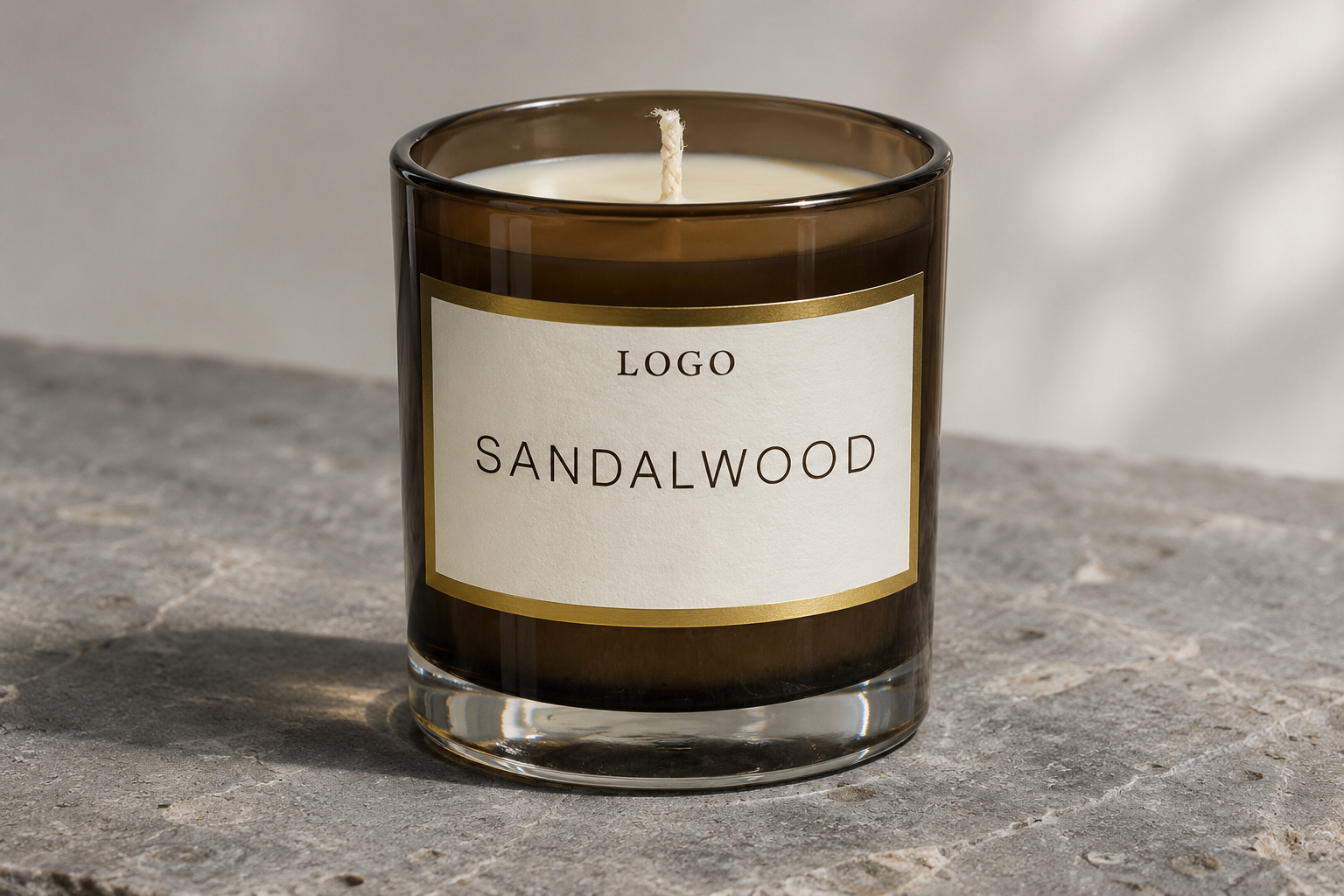
A close view helps buyers discuss visible details. It does not replace physical sampling or performance testing.
3. A vessel that feels considered
Pick up the sample and examine it in ordinary room light. Check the rim, base, surface finish and label alignment. Rotate it to see details that a front-facing product photo may hide.
Weight can influence perceived value, but heavier is not automatically better. It can also affect transport cost and how comfortably customers handle the product.
If the design includes a lid, assess the fit and removal experience. Record whether the lid is a decorative cover or has another confirmed function. Do not assume it can extinguish the candle.
Compare several samples where possible. A decorative surface may show normal variation, but you still need an agreed acceptance range. Photograph approved examples and describe unacceptable defects separately.
Explore our catalog of scented candles for existing vessel designs. Confirm the selected finish and filling specification in the quotation.
4. Branding that survives close inspection
Customers read the label while holding the product. Check small lettering, contrast and alignment at that distance, not only on a large design screen.
A simple label with careful spacing can feel more refined than several competing finishes. Decide which element should lead: the vessel, fragrance name or brand identity. Then make the remaining details support it.
The label material must also suit its use. Avery's candle-label guidance distinguishes paper and film options with different visual finishes.2 Ask your supplier to confirm the actual material, adhesive and suitability for the selected surface.
Review a physical decorated sample. Check for lifted edges, uneven printing and scratches from normal handling. Digital artwork approval alone does not confirm these details.
5. Packaging that protects and presents
The box should make the product easy to understand and handle. A gift buyer needs to know what is included without opening several packages.
Check the opening sequence, insert fit and removal of the candle. Excessive empty space can feel careless, while an overly tight insert can make the product frustrating to remove.
Separate the retail box from transport protection. A rigid presentation box still needs an appropriate outer packing arrangement. Request a packed sample and carton information before approving a larger order.
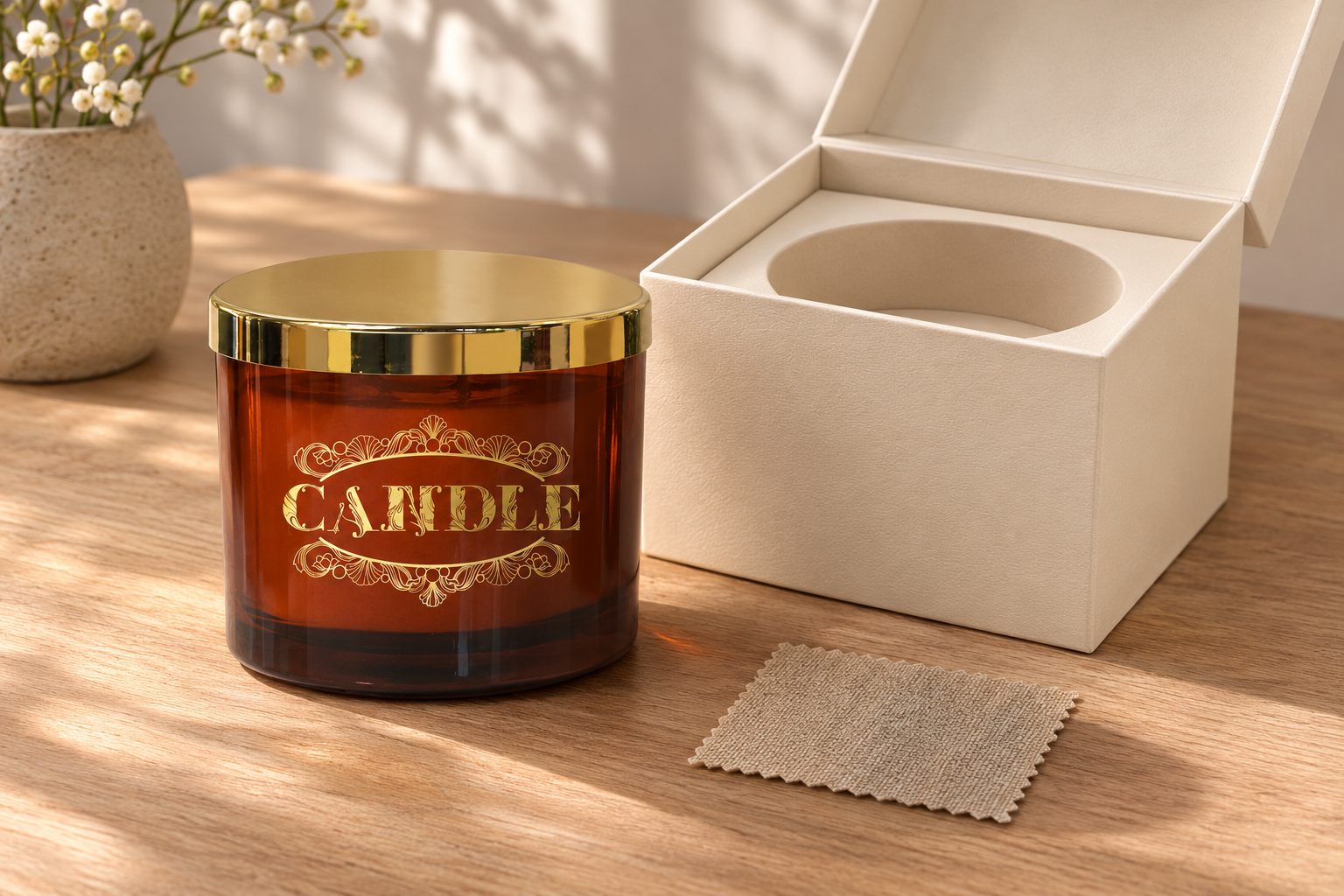
Packaging development scene. Confirm the actual box, insert and decoration for your order.
6. Consistency across the collection
A luxury scented candle should still look like the approved product when the customer returns for another purchase. Therefore, repeatability belongs in the buying brief.
Create a record for each SKU: model, fragrance, wax, wick, fill, decoration, lid and packaging. Keep the approved artwork version with that record.
Also agree how the supplier will communicate changes. A replacement coating or fragrance material can affect appearance or performance. It should not become an unnoticed substitution.
| Detail | Useful approval record |
|---|---|
| Fragrance | Named sample and evaluation notes |
| Burn performance | Information for the selected finished specification |
| Vessel | Photos, dimensions and agreed finish |
| Branding | Approved artwork and decorated sample |
| Packaging | Packed sample and box specification |
| Repeat supply | SKU record and change-approval process |
Set priorities before increasing the budget
Choose the two or three details most relevant to your customer. A gift range may justify more spending on the box. A design-led boutique may place greater value on the vessel. A fragrance brand may prioritize scent development and consistent replenishment.
Price each proposed change separately. This makes it easier to see whether a detail supports the intended selling price or simply adds cost.
Our private label service is a starting point for discussing the available changes to an existing design.
Frequently asked questions
Does soy wax automatically make a candle luxurious?
No. Wax composition can support a brand's material positioning, but the finished fragrance, appearance and performance need evaluation together.
Is a heavy glass vessel always better?
No. Assess stability, finish, handling and the complete product specification. Include packing and freight implications in the comparison.
Should every premium candle use foil decoration?
No. Foil is one visual option. A restrained printed label may better suit a particular vessel or brand. Approve the actual decorated sample.
What should I send for a premium candle quotation?
Provide the preferred product link, fragrance direction, quantity per design, branding, packaging and target market. Explain which details are essential to the collection.
Develop a premium collection with clear priorities
Send Lumelle your premium candle brief. Include your reference products, target price position and the details you want customers to notice.
Our team can review the available options and confirm the MOQ basis for each design and fragrance. All quotations exclude shipping costs.
References
- CandleScience. How to Conduct a Basic Burn Test. Finished-product testing principles. ↩
- Avery. Candle Label Material Guide. Examples of label substrates and finishes; not a certification of Lumelle products. ↩