Candle Burn Time Explained: What Affects How Long a Candle Lasts?
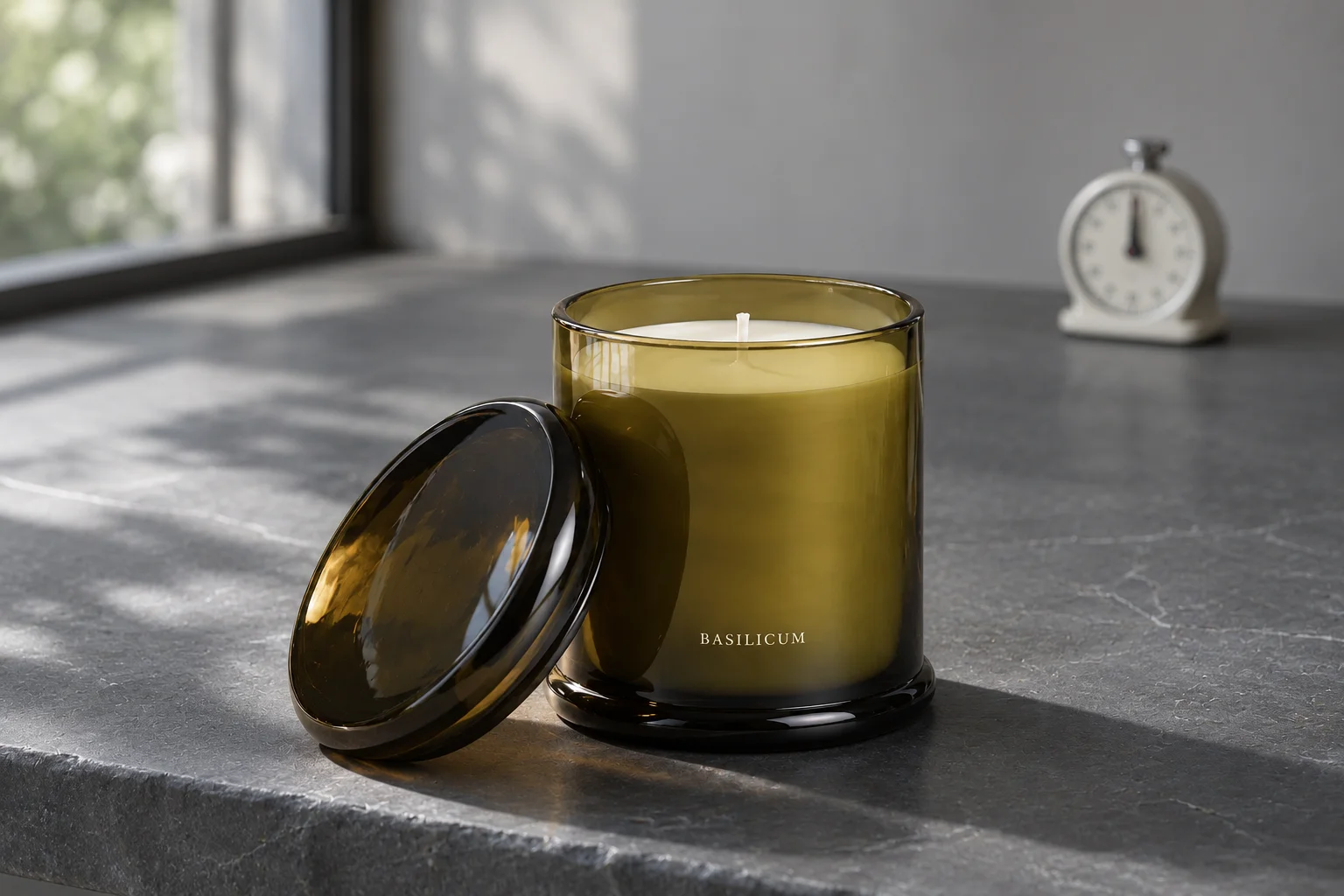
Candle burn time is useful only when buyers know what the number describes. A stated duration should relate to a specific finished candle and a defined way of using it.
Two candles with similar jars may contain different amounts of wax. Likewise, two candles with the same fill weight may use different wicks and consume wax at different rates. Therefore, a product photo or vessel capacity cannot establish how many hours a candle will last.
For retailers, the goal is a clear, supportable product description. This guide explains which details to request before adding burn hours to a listing or retail box.
1. Define the candle burn time claim
Ask whether the supplier is reporting a typical duration, a tested range or an upper limit. These descriptions are not interchangeable.
Also confirm what counts as the endpoint. A candle should stop being used according to its instructions; usable burn time does not mean burning every trace of wax away. The National Candle Association advises against burning a candle all the way down.1
Record the sample identity, test date and method alongside the result. If those details are missing, treat the number as something to clarify rather than copy directly into marketing.
| Information | Why a buyer needs it |
|---|---|
| Product model | Links the result to the actual design |
| Net filling weight | Separates candle contents from vessel size |
| Wax, fragrance and wick | Identifies the finished specification |
| Session and cooling pattern | Explains how the candle was used |
| Number of samples | Helps interpret the reported result |
| Stopping condition | Defines usable life |
2. Separate jar capacity from wax weight
Milliliters describe volume. Grams describe mass. Neither the jar's nominal capacity nor its total packed weight tells you the net amount of candle filling.
For example, a 200 ml vessel description does not establish a 200 g wax fill. Headspace, shape and the chosen filling level matter. Ask for the actual net filling weight for your sample.
More wax can offer more fuel, but it does not create a simple universal hours-per-gram rule. The candle's configuration still determines how it uses that fuel.
When comparing quotes, include both vessel dimensions and net fill. Otherwise, a lower price may simply cover a different amount of product.
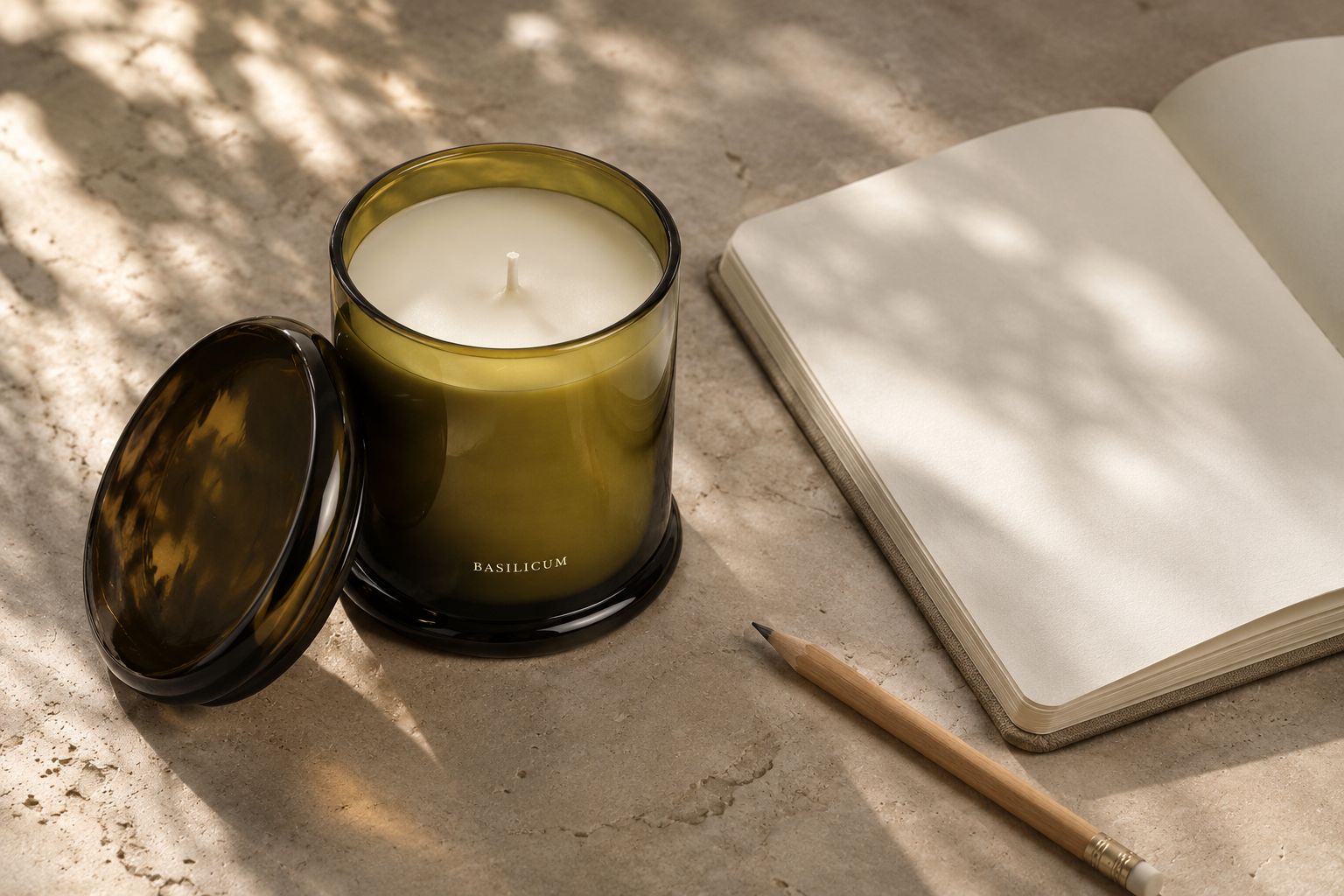
Illustrative sample-review scene. A photograph is not evidence of measured burn hours.
3. Review the wick and vessel together
Wick selection influences how a candle burns. Container diameter and shape also matter. CandleScience's testing guidance treats the wick, wax, fragrance and vessel as a combined system.2
A wider candle may use several wicks. However, more wicks do not automatically mean longer life or better quality. Compare the performance of the complete candle rather than counting wicks as a quality score.
Do not ask a supplier to make a candle last longer simply by reducing its wick size. Any change needs appropriate development and testing. A marketing target should not replace a sound finished specification.
If you change the vessel or fragrance during private label development, ask whether the existing result still applies. Keep the final approved version attached to your purchase order.
4. Treat wax and fragrance claims carefully
The name of a wax does not determine a fixed candle burn time. Soy formulations, paraffin formulations and blends can produce different results with different wicks and vessels.
Likewise, a fragrance change is more than a label change. Ask the supplier which finished combinations have supporting results. Do not assume that one tested fragrance covers every option in the collection.
Our wax comparison guide discusses the broader buying considerations. For burn-hour claims, keep the focus on the exact product you plan to sell.
5. Understand use conditions
Customer use varies. Session length, wick care and placement can differ from the conditions under which a supplier evaluated the candle.
This is why the product description and care label should work together. Explain that any stated duration is an estimate under the identified conditions. Avoid promising that every customer will achieve precisely the same number of hours.
Retail staff should direct customers to the supplied instructions. They should not advise longer continuous burns merely to increase fragrance strength or remove remaining wax.
6. Request evidence before printing the box
Send a short, focused request to your supplier:
Please provide the available burn-time results for this exact model, fragrance, wax fill and wick configuration. Confirm the session pattern, number of samples and stopping condition. Also confirm the wording you recommend for our product listing and care instructions.
Then check that the sample and quotation match. A result for a different size should not be transferred to the product because the vessels look similar.
Retain the approved product specification with the performance information used in your listing.
7. Turn the result into a useful retail description
Use the confirmed range and relevant qualification supplied for the finished product. Do not invent a range when testing has not established one.
If data is still pending, describe the confirmed net fill, dimensions and fragrance instead. You can add a supported burn-hour statement after review.
For an internal price comparison, divide the selling price by confirmed estimated usable hours only when the products and evidence are comparable. Treat that calculation as a buying aid, not a guarantee of value for every customer.
Our wholesale buying guide covers the other information to collect before ordering.
Frequently asked questions
Can I calculate candle burn time from wax weight alone?
No reliable universal calculation applies to every candle. Request results for the complete finished specification rather than applying a generic hours-per-gram formula.
Do three-wick candles last longer than single-wick candles?
Not necessarily. Fill weight, wick configuration and the rest of the product determine the result. Compare actual tested specifications.
Can one burn-time claim cover all fragrances in a collection?
Ask the supplier what evidence supports the proposed claim. A common vessel does not automatically make every fragrance combination equivalent.
What if the supplier has not confirmed burn hours?
Use only confirmed specifications in your listing and request the missing information. Avoid printing an unsupported duration on packaging.
Request the right candle information
Choose a model from our scented candle collection, then send the product link and selected fragrance.
Ask Lumelle about the available specification and burn-time information. Include the quantity per design, destination and intended sales channel so our team can review your project.
References
- National Candle Association. Candle Safety Tips. General stopping and candle-care guidance. ↩
- CandleScience. How to Conduct a Basic Burn Test. Finished-candle testing and factors affecting performance. ↩