How to Import Scented Candles from China: A Guide for Overseas Buyers
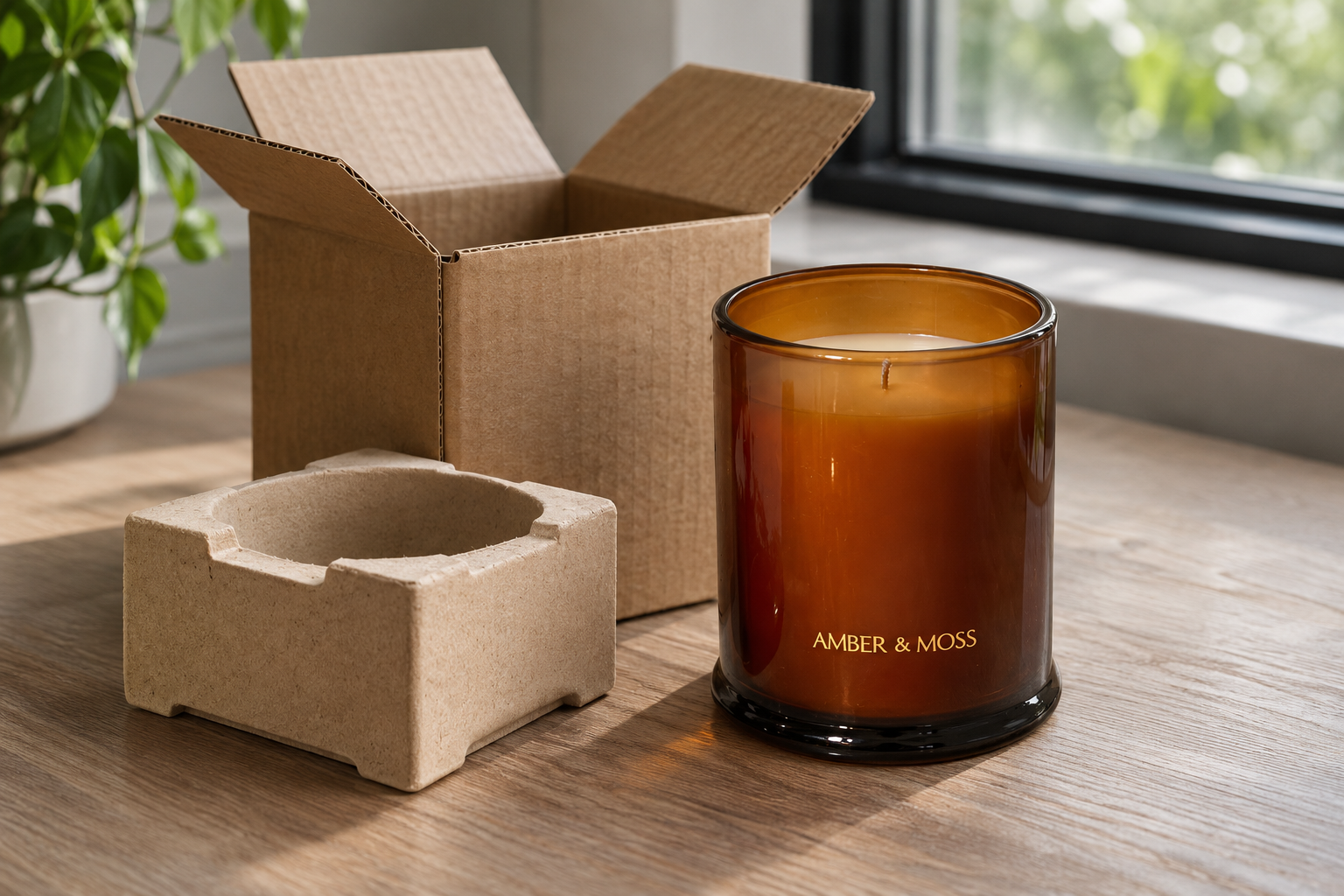
To import scented candles from China successfully, define the finished product and the delivery responsibilities before comparing unit prices. A low product price can become a poor buying decision when packing, freight or destination charges remain unclear.
This guide follows the order from supplier review to warehouse receipt. It is a procurement checklist; market-specific duties and product obligations still need review for your exact goods and destination.
1. Prepare a product brief that can be quoted
Begin with the product link, intended market and estimated quantity for each design and fragrance. Then describe the wax preference, net fill, vessel, lid, decoration and retail packaging.
State whether you want finished candles or empty containers. The distinction affects the product, documentation and price comparison. Also identify your target arrival date rather than only a desired shipment date.
Our wholesale candle buying guide covers the broader specification checklist. For importing, add the destination city, postal code and receiving arrangements.
2. Check who is responsible for each stage
Ask who manufactures, who exports and who invoices your order. Confirm the business details on the quotation and payment documents through your normal supplier-verification process.
Then ask how the supplier records approved specifications, handles material changes and resolves defects. Product photos alone cannot answer these questions.
| Stage | Confirm before ordering |
|---|---|
| Development | Sample scope, charges and approval steps |
| Production | Specification, quantity and change control |
| Inspection | Checks, acceptance criteria and records |
| Export | Packing, documents and responsible party |
| Import | Importer, broker and destination obligations |
Avoid treating a factory social audit as proof that every finished candle meets your market's product requirements.
3. Approve a sample and a written specification
Review the physical candle, branding and packaging. Request available performance information for the exact selected configuration. Keep a reference sample and an approved artwork file.
Write down what approval covers. A vessel sample does not approve the wax formulation; a digital box proof does not approve the printed color or transit protection.
For Lumelle, the minimum order quantity is 1,000 pieces; for better unit value, it can be combined across designs, fragrances, or both. Provide quantities line by line so our team can confirm the applicable arrangement.

Illustrative procurement scene using a catalog product, not documentary evidence of a factory inspection.
4. Review destination requirements before production
Give your customs broker or qualified adviser the actual composition, country of origin, product description and proposed shipment details. Do not select a tariff code solely from another seller's listing.
For the United States, check applicable CPSC requirements and labeling obligations for the particular candle.1 Also review trade-remedy scope. Petroleum-wax candles from China have been subject to an antidumping order; do not assume a wax blend or marketing name establishes an exemption.2
For the EU/EEA, ECHA explains that candles are chemical mixtures under REACH and CLP. Composition and classification can affect the obligations before sale.3
Check current tariffs and trade measures again when planning shipment. Rates and scope questions cannot be resolved by a generic blog table. Confirm any required local-language information before printing retail packaging.
5. Compare freight on the same basis
Request the named delivery term, named place and included services. ICC's Incoterms rules allocate delivery tasks, costs and risks between buyer and seller.4 A short term on a quotation should not replace a clear written scope.
All Lumelle quotations exclude shipping costs. Ask for freight separately and identify which destination services you need.
For your internal budget, include product cost, any separate packing or setup charges, freight, insurance where applicable, customs costs and final delivery. Account for recoverable taxes separately according to your accounting treatment.
Do not compare two freight offers until carton count, dimensions, weight, route and service scope match. Ask who will handle customs clearance and what happens if delivery requires an appointment.
6. Approve export packing and shipping information
Request units per carton, carton dimensions, gross weight and the proposed protective materials. Confirm whether pallets are needed for the chosen route and receiving warehouse.
Review how glass products are separated and supported. A decorative retail box may need additional protection inside the transport carton.
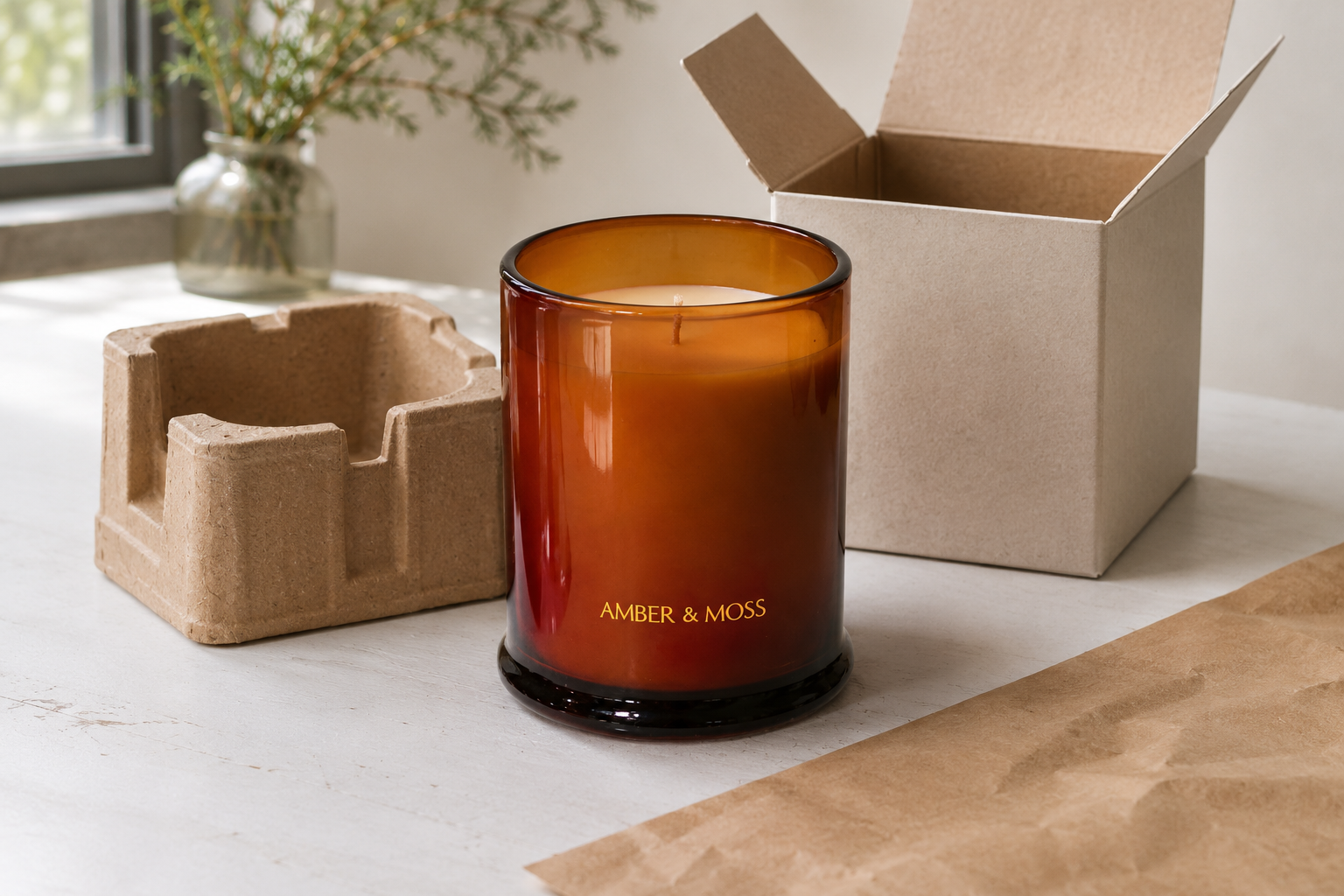
Packing concept for discussion. Final carton construction and transport suitability require approval for the actual shipment.
Before dispatch, reconcile the invoice and packing list against the order. Review product descriptions, quantities, origin information and shipping marks with the responsible parties. Keep inspection and approval records with the shipment file.
7. Plan the full arrival schedule
Separate sample development, production, transport, customs clearance and warehouse receipt. Confirm the start point and scope of every quoted lead time.
Build the schedule backward from the date stock must be ready to sell. Leave room for artwork corrections, receiving checks and any foreseeable seasonal disruption. Do not treat a production estimate as a delivered-date promise.
When stock arrives, count cartons, inspect visible damage and reconcile received units. Record issues promptly using the agreed claim process before mixing the new stock with older batches.
Frequently asked questions
Do I need a customs broker to import scented candles from China?
That depends on your destination and arrangements. A qualified broker can help review classification, entry procedures and duties. Confirm who remains responsible as importer.
Are soy candles automatically exempt from additional duties?
Do not assume that. Classification, trade-remedy scope, composition and current rules need review for the exact goods. A product name alone is insufficient.
Does the supplier's product price include shipping?
Not necessarily. All Lumelle quotations exclude shipping. Request freight and destination-service details separately.
Can I approve an order from photographs?
Photographs help select a design, but request physical samples and a written finished specification before approving bulk production.
Start with an import-ready brief
Send Lumelle your product links, quantities and destination. Include branding, packaging and the required arrival date. Our team can review the product scope and provide the information needed for a separate freight discussion.
References
- U.S. Consumer Product Safety Commission. Candles FAQs. Product-dependent candle requirements. ↩
- U.S. International Trade Commission. Petroleum Wax Candles from China: Fifth Review Determination. Historical order context; obtain current scope and duty advice before shipment. ↩
- European Chemicals Agency. Complying with CLP and Other Legal Requirements When Making or Importing Candles. ↩
- International Chamber of Commerce. Incoterms Rules. ↩